Three Flowers: A Thoughtful Embroidery Choice for Personalized Gifts
As an embroidery designer who’s developed and tested hundreds of floral motifs for small shops, Etsy sellers, and custom gift studios, I approached Three Flowers with quiet curiosity—not hype. This isn’t a flashy, high-stitch-count statement piece. It’s something quieter, but surprisingly versatile: a simple and pretty floral embroidery that lands just right when you’re stitching meaning into fabric.
First Impressions: Sweet, Soft, and Sincerely Handmade
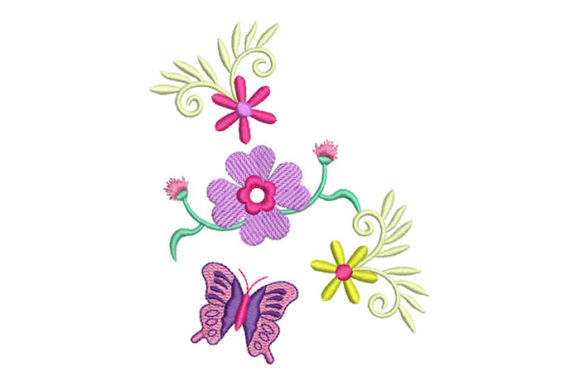
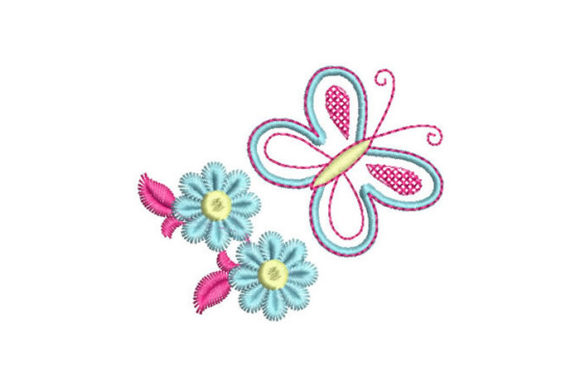
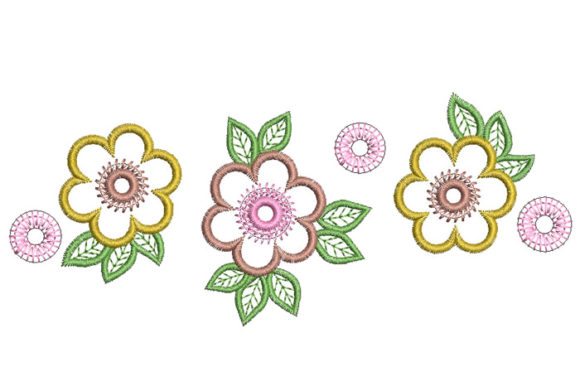
The moment I opened the digital embroidery file, I felt its mood before even loading it into my machine: gentle, unhurried, and quietly elegant. Three Flowers doesn’t shout—it invites. Three distinct blooms (a soft daisy-like center, a rounded bud, and a delicate open blossom) are arranged with breathing room, not clutter. There’s no heavy fill stitching or dense outlining—just clean satin and stem stitches with subtle texture. It reads as handmade, not mass-produced. Customers browsing your Etsy shop or local craft fair booth will sense that authenticity immediately. It leans romantic and timeless, not seasonal or trendy—making it ideal for baby embroidery, wedding gifts, and family keepsakes that endure beyond a single occasion.
Where Three Flowers Truly Shines
This design is a quiet workhorse across personalized categories:
- Baby embroidery: Perfect for onesies, burp cloths, and receiving blankets—its scale and softness feel nurturing, not overwhelming. Pair it with pale mint, oatmeal, or blush thread colors on organic cotton for instant heirloom appeal.
- Wedding gifts & keepsakes: Stitch Three Flowers onto linen pillow covers, handkerchiefs, or guest book towels. Its simplicity honors the elegance of vows without competing with monograms or formal script.
- Nursery decor & blanket embroidery: On a neutral muslin or bamboo blend blanket, it adds warmth without visual noise—ideal for minimalist nurseries where every detail matters.
- Embroidered towel & kitchen essentials: Works beautifully on flour sack towels, tea towels, and aprons—especially when placed near a corner or hem for balanced, functional charm.
- Tote bags & pillow covers: Its centered, compact layout makes it easy to position cleanly—even on curved seams or gussets—without distortion.
- Etsy seller & small shop product: Because it’s lightweight in stitch density and forgiving in execution, Three Flowers helps you maintain consistency across orders—critical when scaling custom embroidery for repeat customers.
Where to Use Three Flowers With Intention
Like any thoughtful design, Three Flowers rewards mindful application. Here’s where attention pays off:
- Small lettering or names: This is a floral-only motif—no built-in text. If pairing with monogramming, keep font size generous and spacing open so neither element competes.
- Textured fabric: On terry cloth or thick woven towels, use a medium-weight cutaway stabilizer and reduce top tension slightly to prevent puckering around petal edges.
- Stretchy baby clothes: Always test on scrap knit fabric first. A light tear-away + adhesive spray combo often gives cleaner results than stabilizer alone.
- Dark fabric: Light thread colors (ivory, pale gold, sky blue) lift beautifully—but verify contrast in natural light. A printable mockup helps avoid surprises in final product photography.
- Frequent-wash items: Confirm thread colorfastness and recommend gentle cycles to customers. The design’s moderate stitch density holds up well—but quality thread and proper hooping matter more than ever here.
Why Three Flowers Builds Trust—and Sales
In handmade markets, perceived value isn’t just about materials—it’s about emotional resonance. Three Flowers delivers that instantly. When a customer sees it stitched on a nursery pillow cover or wedding guest towel, they don’t see “just embroidery.” They see care, intention, and quiet beauty—qualities that deepen connection and justify premium pricing. For Etsy sellers, that translates to stronger buyer engagement: longer page views, saved listings, and heartfelt reviews like “so much more special than printed.” For gift shop owners, it elevates shelf presence—especially next to plain linens or unbranded apparel. And because it’s easy to preview digitally (via mockups) and execute physically, it reduces revision requests and builds trust in your custom embroidery process.
Practical Notes Before You Stitch
Before adding Three Flowers to your production workflow, take these five minutes seriously:
- Test on scrap fabric—especially if using new thread brands or unfamiliar stabilizers.
- Check thread color contrast on both light and dark fabric swatches under natural and indoor lighting.
- Confirm hoop size compatibility with your machine and intended project (e.g., small hoops for baby onesies, larger for tablecloths).
- Review stitch density visually in your embroidery software—if it looks overly sparse or tightly packed, adjust density settings before stitching.
- Verify commercial licensing before selling finished products. Since this is a machine embroidery design, ensure your source permits resale of physical embroidered goods.
Also: always use appropriate stabilizer for your fabric type. For crisp results on cotton napkins or pillow covers, a lightweight tear-away works wonders. For stretchy or unstable fabrics, layer with adhesive spray. And never skip the final check—hold the stitched piece at arm’s length. Are all petals clear? Do stems flow smoothly? Does the overall shape read as balanced? That last glance separates a good stitch from a truly trusted handmade product.
A Design That Grows With Your Business
Three Flowers may be simple—but its flexibility is anything but. It adapts gracefully from baby embroidery to wedding gift, from Etsy listing to boutique shelf staple. It asks little of your machine, yet gives much to your customer: warmth, sincerity, and a quiet reminder that the most meaningful personalized gifts aren’t loud—they’re tender, intentional, and blooming with care.