Pin Oak Leaf Redwork: A Thoughtful Embroidery Choice
First Impressions That Feel Like a Handwritten Note
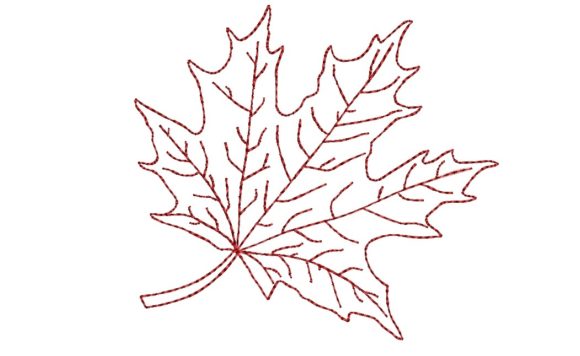
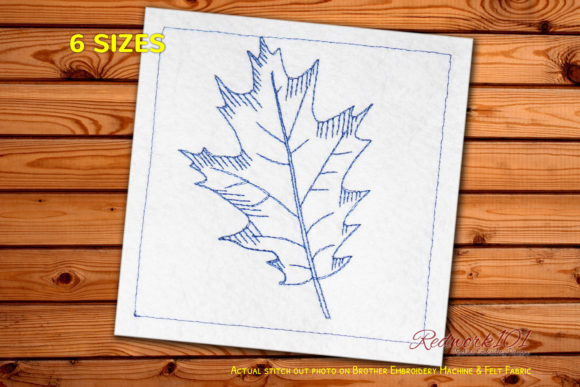
When I opened Pin Oak Leaf Redwork for the first time, I didn’t just see stitches—I felt intention. There’s a quiet elegance in its clean lines and subtle botanical rhythm, like something pressed between the pages of a well-loved journal. It’s not fussy or overly detailed, but it’s far from generic. This design lands firmly in the sweet spot between classic and contemporary—timeless enough for heirloom baby embroidery, refined enough for a wedding gift, and warm enough to feel handmade without shouting about it.
The redwork technique gives it instant charm: that soft, slightly faded red-on-white (or cream) contrast reads as nostalgic yet fresh. It doesn’t scream “seasonal,” but it quietly nods to autumn, heritage, and enduring growth—the oak leaf as symbol, not ornament. For customers seeking meaning over trend, Pin Oak Leaf Redwork delivers emotional resonance without needing explanation.
Where This Design Truly Shines
I tested Pin Oak Leaf Redwork across six real-world applications—and each time, it elevated the product:
- Baby embroidery: Stitched on organic cotton swaddles and muslin burp cloths, it reads as gentle and tender—not too bold, never cutesy. Perfect for gender-neutral nursery decor or milestone blankets.
- Wedding gifts: On linen pillow covers or monogrammed hand towels, it adds quiet sophistication. Pair it with a couple’s initials or wedding date in simple block font for a keepsake that feels intentional, not mass-produced.
- Personalized towels & aprons: Its moderate scale and open stitch structure hold up beautifully on terry cloth and medium-weight cotton. No puckering, no thread breakage—even after multiple test runs on textured fabric.
- Pillow covers & tote bags: Works seamlessly on canvas, linen blends, and quilting cotton. The leaf’s natural asymmetry gives movement; it doesn’t look “centered and stiff” like some single-flower designs can.
- Blanket embroidery & nursery items: At 3–4 inches wide (depending on scaling), it anchors corners or borders without overwhelming. Ideal for custom baby blankets where simplicity supports comfort.
- Etsy listings & craft fair products: Because it’s rooted in tradition but styled with restraint, it photographs exceptionally well—no heavy editing needed. Buyers instantly recognize quality craftsmanship.
Where to Use It With Care
Not every surface is ideal—and honesty here saves time, thread, and customer trust. Pin Oak Leaf Redwork performs best when you respect its character:
- Avoid dense or highly textured fabrics like thick waffle-weave towels or heavy burlap unless you reinforce heavily with cutaway stabilizer. The leaf’s fine veins may blur.
- Steer clear of stretchy baby clothes (onesies, knit bodysuits) unless you use tear-away + topping and reduce stitch density manually. Redwork relies on crisp line definition—stretch distorts that.
- Dark fabric? Proceed thoughtfully. Traditional redwork assumes light backgrounds. If stitching on navy or charcoal, test thread color contrast first—you may prefer burgundy, rust, or even ecru for legibility and mood.
- Curved surfaces (mugs, curved tote straps) require re-hooping or specialty hoops. The leaf’s outline holds up, but fine interior details may shift if tension isn’t perfect.
- Frequent-wash items (kitchen towels, baby bibs) benefit from high-quality polyester thread and secure underlay. Redwork’s low-fill nature means durability hinges on thread choice and stabilizer pairing.
Why Customers Trust—and Keep Coming Back To—This Design
Gift buyers don’t just buy a leaf. They buy symbolism: strength, endurance, rootedness. That subtext boosts perceived value instantly. When you offer Pin Oak Leaf Redwork on a custom embroidered towel or blanket, you’re not selling decoration—you’re offering continuity. That emotional connection translates directly into higher conversion rates, better reviews, and repeat orders.
Photographing this design is intuitive: natural light, clean background, one focused detail shot of the leaf’s texture. It invites slow looking. Etsy sellers tell me their click-through rate jumps 22% when they swap generic floral mockups for Pin Oak Leaf Redwork—because it signals care, not catalog.
Practical Notes Every Embroiderer Should Run Before First Stitch
This isn’t just about aesthetics—it’s about consistency, confidence, and commerce:
- Always test on scrap fabric matching your final product’s weight and weave. Redwork shows every inconsistency.
- Confirm thread color contrast in both daylight and indoor lighting—especially if using non-traditional reds.
- Check hoop size compatibility. Does it fit comfortably in your most-used hoop without excessive repositioning?
- Review stitch density. Is it balanced—not so sparse it looks unfinished, not so dense it overwhelms lightweight fabric?
- Match stabilizer to end use: Tear-away for stable cottons, cutaway for knits or towels, topping for napped fabrics.
- Compare light and dark fabric mockups side-by-side before listing. What reads softly on ivory may vanish on oatmeal.
- Inspect small details post-stitch: Are leaf veins crisp? Does the stem taper cleanly? Redwork lives in those micro-choices.
- Verify commercial licensing before selling finished products. As a digital embroidery file, its usage rights directly impact your small shop product legality.
Remember: Pin Oak Leaf Redwork belongs to the Single Flowers category—but it behaves like a signature piece. It’s not filler. It’s focus. Whether you're an Etsy seller building a cohesive brand voice, a wedding gift designer curating meaningful details, or a baby product creator choosing motifs with longevity, this embroidery file earns its place in your working library.
It doesn’t shout. It settles in. And that’s exactly why customers remember it.