Roses Embroidery Design Review
A Timeless, Tender Rose for Boutique Apparel
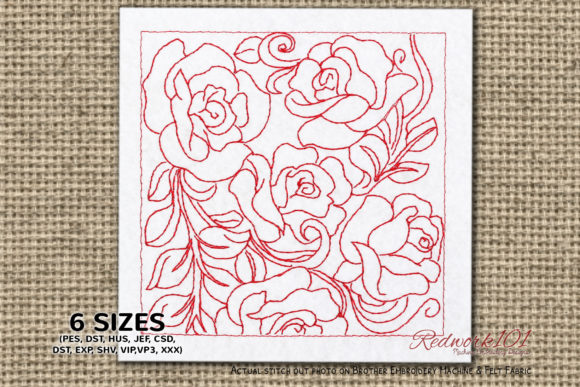
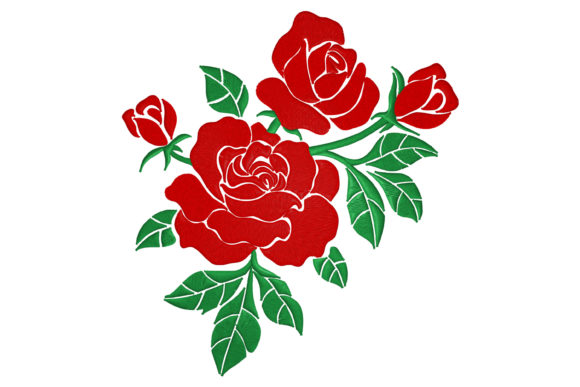
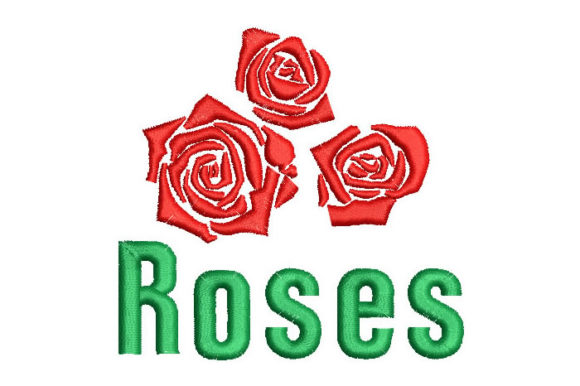
As an embroidery designer who’s developed collections for small clothing brands and Etsy sellers over the past decade, I opened Roses with quiet anticipation—not for flash or trendiness, but for quiet confidence. This isn’t a bold, graphic rose. It’s a softly layered, naturally shaped bloom: petals curl with gentle variation, stems curve with organic rhythm, and the overall impression leans classic-feminine rather than vintage-cute or ultra-minimal. The stitch density feels intentional—not sparse enough to look unfinished, not so dense it overwhelms lightweight knits. It reads as *premium handmade*, not mass-produced clip art. That subtle distinction matters deeply when you’re building a boutique brand where every stitch contributes to perceived value.
How Roses Performs on Sweatshirts & Hoodies
Sweatshirt embroidery is where Roses truly earns its place in a seasonal collection. On neutral heather grey or oatmeal sweatshirts, it reads quietly elegant—ideal for chest placement without shouting. On pastel hoodies (think blush, mint, or lavender), the design softens further, enhancing that curated, lifestyle-friendly aesthetic. For dark apparel—navy, charcoal, or black—I recommend testing thread colors with high-contrast options like ivory, cream, or pale gold. Avoid stark white unless your garment is truly deep; subtle tonal contrast often reads more sophisticated in commercial embroidery.
Placement versatility stands out: it works beautifully centered on the chest, delicately angled on the sleeve cuff, or scaled slightly larger for a refined back design. On oversized garments, Roses holds its shape without looking lost—it’s detailed enough to invite closer inspection, yet balanced enough not to compete with volume or drape. Just avoid placing it directly over thick ribbed fabric or seams; the stem’s gentle curves may distort if stitched across high-stretch zones without proper stabilizer support.
Beyond Sweatshirts: Tote Bags, Denim, and Seasonal Layers
This machine embroidery design transitions seamlessly into lifestyle merch. On sturdy cotton totes, Roses adds artisanal charm without bulk—perfect for small shop product photography or farmers’ market branding. On denim jackets, it shines when placed just above the hip pocket or subtly on the upper back yoke. For cozy seasonal layers—think chunky cardigans or fleece-lined hoodies—Roses avoids looking overly delicate because its petal structure includes thoughtful underlay and satin-fill balance. That means fewer puckers on fleece and better stitch definition on textured surfaces.
For t-shirt embroidery, proceed with care: test on your exact knit blend first. A lightweight stabilizer (cutaway or tear-away, depending on stretch) is non-negotiable. The design’s moderate stitch density helps—but always inspect the inner petal fill on scrap fabric before hooping your best blanks.
Visual Consistency & Brand Identity
When you’re curating a cohesive line—say, a spring capsule of sweatshirts, totes, and matching tees—Roses acts as a unifying motif. Its natural charm doesn’t clash with minimalist typography or earthy palettes. It reinforces a brand voice that’s warm, intentional, and quietly confident—not loud, not fussy, not dated. Buyers notice that consistency. In Etsy listings or Instagram carousels, seeing the same thoughtfully rendered rose across multiple product types builds recognition and trust. It signals craftsmanship, not just decoration.
Practical Designer Notes Before You Stitch
Before adding Roses to your next production run, here’s what I always do:
- Test on scrap fabric—especially if using stretchy knits, fleece, or ribbed cuffs. Observe how the stem bends and whether petal edges lift.
- Confirm stabilizer choice. Medium-weight cutaway works reliably for most apparel; lightweight tear-away suffices for stable cotton totes.
- Review thread color contrast against your garment swatches—not your screen. Lighting changes everything.
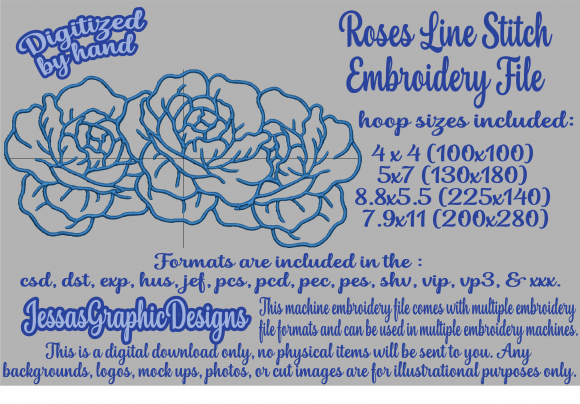
- Check hoop size and file compatibility before purchasing. Since the listing notes this is a multi format embroidery file, verify which formats are included (DST, PES, JEF, etc.) and match them to your machine.
- Inspect stitch density visually in your embroidery software. Look for tight fills in smaller petal areas—if they appear overly dense, consider slight digitizing tweaks or alternate thread weight.
- Compare placement options digitally first. Use printable mockups to preview chest vs. sleeve positioning on actual garment templates.
- Review Creative Fabrica licensing details carefully. If you plan to sell finished apparel commercially, ensure the license permits unlimited end-product sales—not just personal use.
Where Roses Fits in Your Creative Fabrica Workflow
Within the Bouquets category, Roses stands apart for its restrained elegance and apparel-readiness. Unlike some floral designs that skew overly ornate or flatly symmetrical, this one breathes. It’s equally at home in a digital embroidery file library for quick client customization or as the hero motif in a signature boutique brand. For Etsy sellers launching their first embroidered line, it’s a low-risk, high-reward starting point—feminine without being limiting, detailed without being fragile, timeless without feeling stale.
It won’t dominate your social feed like a neon slogan—but it will linger in memory. That’s the quiet power of well-executed embroidery: it doesn’t shout identity. It stitches it, petal by careful petal.