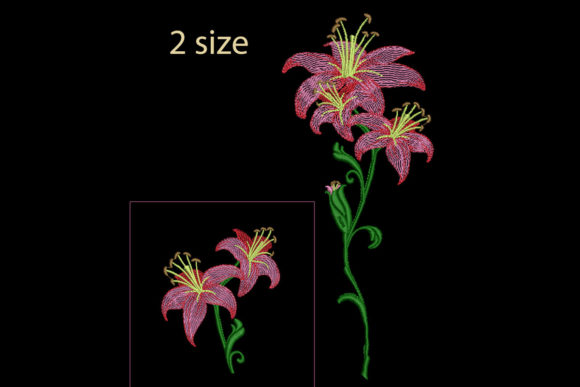
Lily: A Thoughtful Embroidery Design for Real-World Projects
First Impressions: Graceful, Not Fussy
Opening the Lily embroidery file, I didn’t see a generic floral silhouette — I saw something with quiet intention. The lily isn’t overly stylized or cartoonish; it leans into botanical sincerity without demanding perfection from the stitcher. Petals flow with gentle curves, not rigid symmetry, and the center detail suggests depth without relying on dense satin stitch overload. It feels like a design meant to be *worn*, not just admired in a preview window. That’s rare in Single Flowers — many lean too decorative or too minimal. Lily lands right in the middle: expressive enough for personalization, restrained enough for repeat use across products.
Real Project Test: A Linen Tote Bag for a Local Botanical Boutique
Last week, I stitched Lily onto a natural linen tote for a small shop launching a spring collection. No fancy backdrop — just 100% linen, medium-weight, slightly nubby texture, hooped with tear-away stabilizer. The result? Clean lines held up beautifully. The petal edges stayed crisp, and the subtle layering of fill stitches gave dimension without puckering. Customers noticed it immediately — not as “cute” or “busy,” but as *considered*. One even asked if it was hand-drawn first. That’s the quiet strength of Lily: it reads as handmade, not machine-made.
Where Lily Shines — and Where It Asks for Attention
Lily adapts well across common embroidery applications, but not equally:
- Custom apparel: Works cleanly on cotton t-shirts and lightweight blouses — especially when placed on yokes or chest pockets. Avoid high-stretch knits unless you double-stabilize and reduce stitch density manually.
- Sweatshirt embroidery: Holds up on fleece-backed cottons, but test first on scrap. The design’s moderate density avoids sinking into thick pile, though very bulky sweatshirts may soften fine petal tips.
- Tote bag design & aprons: Ideal. Linen, canvas, and midweight cotton duck let the shape breathe. The scale feels intentional — neither lost nor overwhelming.
- Baby embroidery & nursery decor: Gentle enough for onesies and pillow covers. Just confirm thread colors are Oeko-Tex certified if selling commercially.
- Embroidered patch & cap embroidery: Use caution. The outer petal curves work on flat patches, but curved surfaces like caps require re-digitizing or careful placement near the front panel. Small hoop sizes (under 4”) may crop delicate stem details — always check the full layout before hooping.
Fabric & Finish: Knowing When to Step In
Lily doesn’t hide flaws — it reveals them. On thin fabric like rayon challis or lightweight silk blends, skip heavy stabilizer and opt for cut-away + light topping to prevent show-through. On dark fabric, avoid pale thread choices unless you’re aiming for tonal subtlety — contrast matters for clarity. And yes, it *can* go on raincoats (as the description notes), but only if the outerwear fabric is stable and non-slippery. Vinyl-coated or highly laminated shells will shift under the needle — test with basting stitches first.
What Lily Adds to Your Finished Product — Beyond Pretty
This isn’t just decoration. Stitched well, Lily elevates perceived value. A simple tea towel becomes a wedding gift. A plain sweatshirt reads boutique, not big-box. For Etsy sellers and craft fair vendors, that translates directly to pricing confidence and customer trust. Buyers recognize care in execution — and Lily rewards that care. Its balance of detail and restraint makes it easy to match with branding: pair it with minimalist typography for a modern shop logo, or layer it beside vintage-style monograms for heirloom baby items. It supports your voice instead of shouting over it.
Practical Designer Notes Before You Stitch
Before committing Lily to your next project — especially for client work or inventory — do these five things:
- Run a test stitch on scrap fabric that matches your final material, stabilizer, and thread colors.
- Check stitch density visually — no hidden nests or over-stitched centers that could cause stiffness or wear issues.
- Confirm the hoop size fits your machine and intended placement — especially for curved garments or narrow bands like cuff hems.
- Inspect small details at 200% zoom in your embroidery software: look for stray running stitches, unconnected elements, or overly tight corners that may break thread.
- Review licensing: if you’re selling finished items or digital embroidery files, verify whether this Embroidery design permits commercial use — don’t assume.
Final Thought: Lily Isn’t Just a Flower — It’s a Design Decision
Choosing Lily means choosing clarity over clutter, craftsmanship over convenience. It won’t dazzle with flash, but it will hold attention through consistency — in how it stitches, how it wears, and how it makes your handmade product feel intentional. Whether you're building a craft business, launching an Etsy line, or stitching personalized gifts for friends, Lily supports your goals without demanding constant correction. It’s the kind of embroidery file that earns repeat use — not because it’s trendy, but because it works.