Maple Leaf: A Seasonal Embroidery Staple
First Impressions: Chic, Warm, and Instantly Recognizable
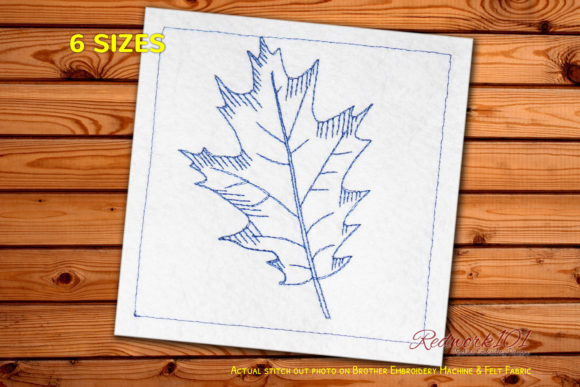
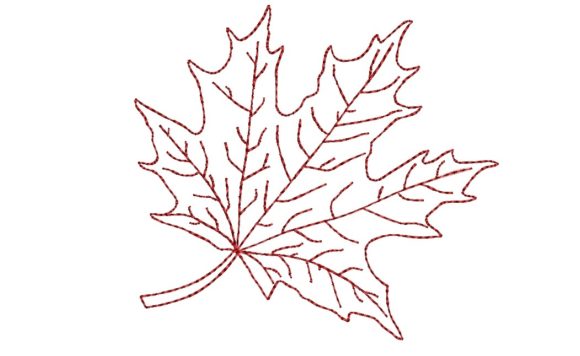
As an embroidery designer who’s curated seasonal collections for over twelve years, the Maple Leaf design lands with quiet confidence—not flashy, but deeply resonant. It reads as autumnal first: warm, grounded, and gently nostalgic. There’s no clutter, no excessive filigree—just clean lines, balanced proportions, and a subtle organic flow that feels hand-drawn yet perfectly digitized. It’s not overly rustic or aggressively modern; it sits elegantly in that sweet spot between cozy and premium. That versatility is rare in single-flower designs—and vital when you’re building holiday product lines that must appeal across age groups, aesthetics, and use cases.
Where Maple Leaf Shines in Real Holiday Selling
This isn’t just another machine embroidery design—it’s a strategic seasonal asset. On sweatshirt embroidery, it reads beautifully at 3.5"–4.5", offering instant warmth and heritage charm—ideal for family matching sets sold ahead of Thanksgiving or Canadian Thanksgiving weekend. As a tote bag design, it pairs effortlessly with earth-toned canvas or linen, making it a top-performing item at craft fairs and pop-up markets where shoppers seek meaningful, giftable handmade items.
For the kitchen towel embroidery market—especially strong on Etsy—the Maple Leaf delivers instant seasonal recognition without feeling dated. It works equally well on flour-sack cotton or heavyweight terry, and its simplicity means it won’t overwhelm vintage-inspired table linens or modern aprons. As a pillow cover motif, it adds quiet sophistication to fall-themed home decor bundles—think “Harvest Hostess Set” including embroidered napkins, oven mitts, and a matching pillow. And yes—it translates beautifully into an embroidered patch, perfect for layering onto denim jackets or stitching onto baby blankets as a personalized gift for new Canadian families.
On social media, the Maple Leaf performs exceptionally well in printable mockups. Its clean silhouette renders crisply in flat-lay photos and video previews—even at thumbnail size. That visual clarity builds trust: customers instantly understand what they’re buying. When bundled with coordinating thread palettes (think burnt sienna, forest green, cream, and charcoal), it elevates perceived value and encourages add-on sales. For Etsy sellers, that means stronger conversion rates during peak October–November traffic.
Where to Use Maple Leaf Thoughtfully
Like all strong seasonal embroidery, the Maple Leaf rewards intentionality. Avoid using it at under 2" on dense fabrics like thick towels or heavy fleece—stitch density can suffer, leading to skipped stitches or puckering. On dark fabric, test your thread colors carefully: matte cottons may mute sheen, while metallics can overpower the leaf’s delicate shape. If you’re planning commercial embroidery for apparel, avoid placing it directly over high-stretch zones (like underarm seams or curved cap fronts) unless you’ve confirmed the digitization includes proper underlay and pull compensation.
Also take care with hoop size: if your machine requires tight framing, verify the design fits comfortably within your standard hoop before batch-producing. And while the Maple Leaf looks lovely in satin stitch, avoid pairing it with ultra-thick or highly textured threads on lightweight fabrics—those details won’t hold cleanly after repeated washing. Always pair it with appropriate stabilizer: tear-away for stable wovens, cut-away for knits, and fusible + tear-away for delicate linens.
Design Notes Every Embroidery Professional Should Follow
- Test on both light and dark fabric—not just for color, but for how stitch density interacts with fabric texture.
- Confirm hoop size compatibility early—especially if scaling for oversized tote bags or small ornaments.
- Create realistic mockups using actual garment samples, not just digital templates. See how the leaf drapes, folds, and wears.
- Zoom in post-stitching: check small veins or tip definition—these are where quality signals live for discerning buyers.
- Build cohesive color palettes around the Maple Leaf: think warm neutrals, deep reds, mossy greens—not just “fall” clichés, but tones that feel intentional and ownable.
- Review licensing: this digital embroidery file is marketed for seasonal embroidery and holiday embroidery, but confirm commercial rights apply to your specific finished product (e.g., embroidered baby onesies for resale).
Why Maple Leaf Strengthens Your Seasonal Strategy
In a crowded holiday marketplace, emotional resonance sells. The Maple Leaf taps into layered associations—autumn comfort, national pride, natural beauty, generational tradition—without needing words. That makes it powerful for personalized gift offerings: monogrammed with initials, stitched beside a year date, or paired with a short sentiment (“Rooted in Love,” “Gather Well”). It also supports brand consistency: whether you’re selling on Etsy, at local markets, or via wholesale to boutique retailers, the Maple Leaf becomes a recognizable signature—a visual anchor across your small shop product line.
Most importantly, it invites engagement. Customers tag their finished projects. They ask for matching sizes or thread recommendations. They return each season—not just for the leaf, but for the trusted curation behind it. That loyalty compounds over time, turning one machine embroidery design into a repeat revenue stream.
Final Thought: A Design That Grows With You
The Maple Leaf isn’t just a Single Flowers entry—it’s a foundational Embroidery asset for any maker building thoughtful, scalable seasonal collections. It balances simplicity with soul, flexibility with fidelity, and trend-awareness with timelessness. Whether you’re launching your first holiday drop or refining your tenth, this design earns its place—not because it’s trendy, but because it’s true. True to season. True to craft. True to the people who’ll wear it, gift it, and keep it long after the leaves have fallen.