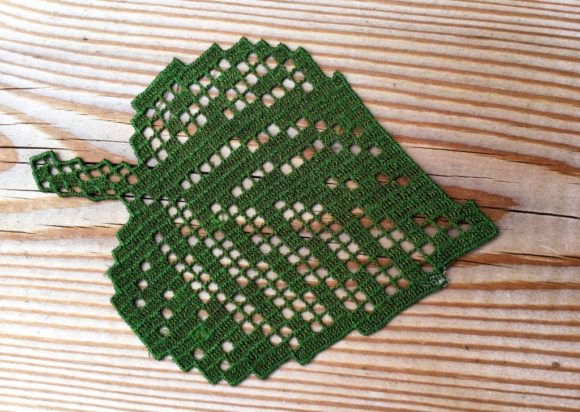
Freestanding Lace Leaf
A Delicate, Dimensional Statement for Boutique Apparel
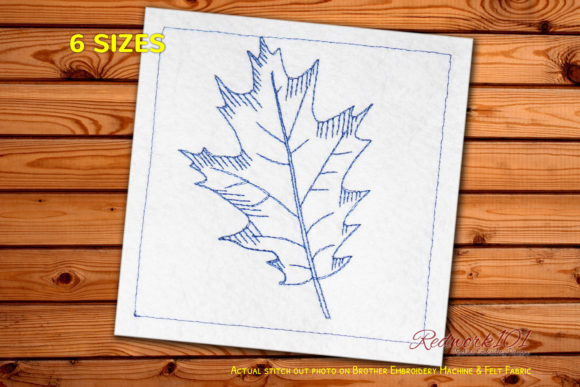
As an embroidery designer who’s developed collections for small clothing brands and Etsy sellers over the past decade, I approach every new machine embroidery design with two questions: *Does it hold up in production?* and *Does it elevate the garment—not just decorate it?* When I first opened Freestanding Lace Leaf, I was struck by its quiet confidence. It doesn’t shout—it breathes. This isn’t a dense floral motif or a bold monogram replacement. It’s a single, elegant leaf rendered in freestanding lace technique, evoking the airy precision of filet crochet. Visually, it reads as feminine but not fussy, seasonal but not dated, detailed but not fragile. Its decorative strength lies in subtlety—ideal for brands building identity through refined texture rather than loud graphics.
Why It Works on Sweatshirts & Hoodies—Without Overpowering
Sweatshirt embroidery demands balance: enough presence to read at arm’s length, but light enough to avoid stiffness or bulk. Freestanding Lace Leaf delivers that equilibrium. On neutral sweatshirts (heather grey, oat, soft black), it adds organic contrast without competing with fabric texture. Pastel hoodies—think blush, mint, or lavender—gain a whisper of artisanal depth. Even on dark apparel, when stitched with high-contrast thread (ivory on charcoal, pale gold on navy), the lace structure catches light beautifully in lifestyle product photos. For chest placement, its vertical orientation flows naturally with garment grain; for sleeve accents or back designs, its openwork nature prevents visual weight buildup. And yes—it holds up on oversized garments where larger motifs can feel disproportionate. The leaf’s clean silhouette reads clearly even at smaller scale, making it versatile across t-shirts, denim jackets, and structured tote bags.
Where to Place It—and Where to Pause
- Best for: Center-chest placement on crewnecks, upper-back focal points on relaxed-fit hoodies, subtle sleeve cuffs on lightweight knits, and minimalist front panels on organic cotton tees.
- Use carefully on: Highly stretchy fabrics (like French terry with spandex), ribbed surfaces (where lace edges may snag), and dense fleece—always test stabilizer pairing first. Curved areas (like shoulder seams) require precise hooping and possibly reduced stitch density to prevent puckering.
- Avoid: Tiny lettering pairings (this design stands alone), tight collar bands, or placements near high-friction zones (pocket edges, waistbands) where delicate lace could fray over time.
From Mockup to Market: Real Value for Creative Entrepreneurs
For Etsy sellers and small shop owners, Freestanding Lace Leaf isn’t just another embroidery file—it’s a brand accelerator. Its handmade product aesthetic signals care and craftsmanship in a crowded digital marketplace. When layered into printable mockups or social media graphics, it conveys intentionality: this isn’t mass-printed; it’s thoughtfully stitched. That perception directly supports buyer trust and product recognition. Customers scrolling through boutique brand feeds notice consistency—when Freestanding Lace Leaf appears across your sweatshirt line, tote collection, and seasonal hoodie drop, it becomes a quiet signature. It reinforces visual consistency without demanding a full logo system, helping small creative businesses build identity organically.
Designer Notes You’ll Actually Use in Production
Before stitching your first batch, treat Freestanding Lace Leaf like any premium embroidery file destined for commercial use:
- Test on scrap fabric that matches your final garment—especially if using fleece, brushed cotton, or textured knits.
- Confirm stabilizer choice: a medium-weight cutaway works best for stability, but for ultra-soft knits, try a tear-away + light spray adhesive combo to preserve drape.
- Review thread color contrast intentionally—avoid blending tones (e.g., sage on olive). Choose thread that lifts the lace structure, not hides it.
- Check hoop size requirements before digitizing placement—some versions may include multiple sizes; verify which fits your standard hoops.
- Inspect stitch density in the file preview—if threads appear overly compressed in the vein details, consider reducing density slightly for breathable wearability.
- Compare placement options on physical garment samples—not just screen mockups—to assess how curvature affects lace definition.
- Review Creative Fabrica product details thoroughly: confirm licensing permits commercial embroidery on finished apparel, especially for resale platforms like Etsy or Shopify.
Final Thought: A Thoughtful Addition to Your Embroidery Toolkit
Freestanding Lace Leaf belongs in the toolkit of any embroidery professional serving boutique apparel clients—or running their own small shop. It bridges home decor roots (as noted in its original description for mug rugs and window decor) and contemporary apparel sensibility with surprising ease. As part of the Single Flowers category, it offers focused versatility—not a generic bloom, but a distinct botanical gesture. Whether you’re developing a spring capsule collection or refreshing your core hoodie line, this machine embroidery design delivers quiet sophistication. It reminds us that sometimes, the most compelling statement in custom apparel isn’t volume or vibrancy—but air, light, and intentional space. For creators who value craftsmanship over clutter, Freestanding Lace Leaf earns its place—not as filler, but as finish.