Fancy Flower: A Springtime Embroidery Design Worth Your Thread
First Impressions: Delicate, Cheerful, and Surprisingly Versatile
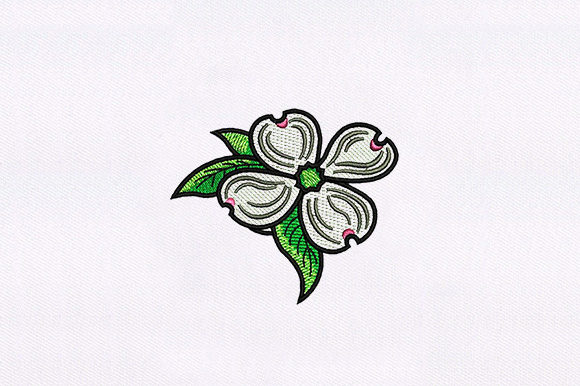
When I opened the Fancy Flower embroidery file for the first time, I didn’t just see a single flower—I saw a mood. Soft curves, balanced petal spacing, and that gentle upward lift in the center give it an optimistic, spring-awakening energy. It’s not fussy or overly botanical; it’s friendly, approachable, and quietly confident—exactly the kind of machine embroidery design that works equally well on a baby onesie and a linen tea towel. As a designer who regularly selects embroidery files for client projects and my own small shop line, I immediately pictured it stitched onto a natural cotton tote bag for a local boutique: simple fabric, clean lines, and this little bloom acting as both focal point and quiet signature.
Where Fancy Flower Truly Shines (and Why It Fits Real Projects)
Fancy Flower excels where subtlety meets impact—especially in custom apparel and handmade product contexts. On a lightweight sweatshirt? It reads clearly without overwhelming the garment’s drape. On a kitchen towel? Its compact shape anchors the corner or hem without competing with text or other motifs. I recently used it as part of a trio of blooms on a set of nursery pillow covers—no applique design needed, just clean satin stitch petals and a subtle fill stitch center—and parents consistently commented on how “soft” and “thoughtful” the embroidery felt. That’s not accidental. The stitch density feels intentional—not too sparse to lose definition, not so dense it gums up lightweight fabrics or resists washing.
For Etsy sellers and craft fair vendors, Fancy Flower is a smart digital embroidery file to keep in rotation. It scales well across product types: a single bloom on a child’s cap adds charm without bulk; stitched onto a denim apron pocket, it gives a handmade product instant warmth; and when placed just above the hem of a midi skirt, it becomes a quiet detail that invites closer inspection. It also translates beautifully into printable mockups—whether you’re listing on Etsy or pitching to a boutique buyer, its clarity holds up even in grayscale previews.
Use With Care: Real Fabric & Function Considerations
That said, Fancy Flower isn’t magic—it responds honestly to your materials and technique. On highly textured fabrics like bouclé or thick terry cloth, the finer petal edges can blur slightly unless you use a medium-cutaway stabilizer and reduce top tension just a hair. On stretchy knits (think baby bodysuits or lounge tees), I always baste first and test hoop pressure—too much pull distorts those graceful curves. And while it works on dark fabric, avoid ultra-low-contrast thread colors; the design relies on gentle dimension, not stark graphic punch, so pale yellow on charcoal needs careful thread selection.
Curved surfaces—like the front panel of a structured cap—require extra attention. The original layout assumes a flat embroidery field, so if you’re adapting it for headwear, consider simplifying one or two outer petals or adjusting placement to avoid distortion at the crown seam. Also, don’t force it into tiny hoops without checking the actual dimensions. Though it’s labeled under Single Flowers, its visual presence is fuller than some minimalist blooms—so verify hoop size before digitizing for production runs.
What It Adds to Your Finished Product (Beyond Pretty)
- Visual appeal: It elevates plain items without shouting—ideal for brands leaning into quiet luxury or mindful making.
- Customer trust: Clean, consistent stitching signals craftsmanship. When Fancy Flower lands right, buyers feel the care behind the handmade product.
- Giftability: Its springtime vibe makes it a natural fit for new baby gifts, Mother’s Day bundles, or hostess towels—items people proudly display, not stash away.
- Brand consistency: Because it’s not trend-dependent, it fits seamlessly into seasonal collections year after year—no redesign fatigue.
Practical Designer Notes Before You Stitch
Before committing Fancy Flower to your next project—or worse, your best customer’s heirloom linen—here’s what I do every time:
- Run a test on scrap fabric that matches your final substrate (including same stabilizer and thread).
- Check how the center detail holds up: does the fill stitch read as cohesive, or does it look granular? Adjust density if needed.
- Review the design in black-and-white mockups—this reveals contrast issues invisible on screen.
- Compare stitch behavior on light vs. dark backgrounds. Some satin stitch areas catch light differently depending on base color.
- Confirm licensing terms—especially if you plan to sell finished products or bundle the embroidery file with digital kits. Not all Embroidery files allow commercial use by default.
If you're building a craft business or expanding your custom apparel offerings, Fancy Flower earns its place not because it’s flashy, but because it’s reliable. It doesn’t demand special treatment—but it rewards thoughtful execution. Whether you’re stitching personalized gifts, designing small shop merchandise, or curating digital design assets for fellow makers, this is the kind of embroidery file that quietly strengthens your portfolio. It says, without saying much at all: *I pay attention to detail. I respect the material. I care how it feels in someone’s hands.*
And honestly? That’s the kind of impression that turns first-time buyers into repeat customers—and hobbyists into confident creative entrepreneurs.