Monstera Plant: A Fresh, Modern Embroidery Design Worth Your Thread
First Impressions: Lively, Clean, and Instantly Recognizable
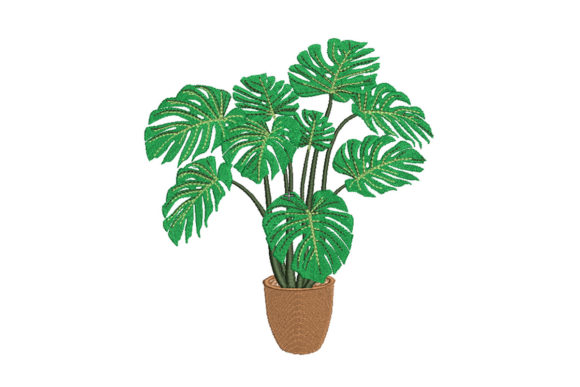
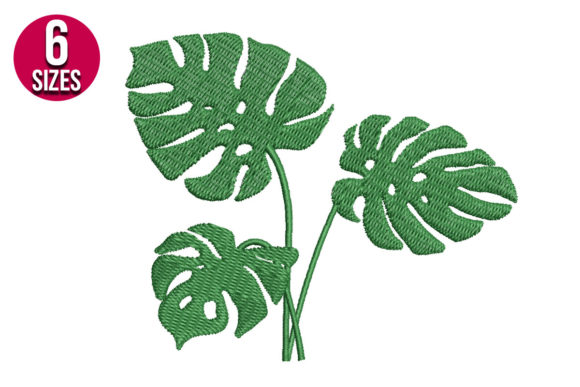
When I opened the Monstera Plant embroidery file, I didn’t just see leaves—I saw versatility. It’s not overly botanical or stiff; it breathes with that effortless tropical confidence we love in modern home and apparel design. The layout feels intentional: a single, strong monstera leaf with natural asymmetry, subtle veining, and open negative space where light can land. No cluttered stems or forced symmetry—just one bold, sculptural shape that reads clearly at 3–4 inches wide. That makes it ideal for a machine embroidery design meant to be seen, not deciphered.
A Real-World Test: Stitching It on a Linen Tea Towel
Last week, I used Monstera Plant on a set of heavyweight linen tea towels for a local boutique’s spring launch. I chose a soft sage thread on natural linen—no backing, just medium tear-away stabilizer—and stitched at 80% density. The result? Crisp satin stitch edges, gentle fill stitch texture in the leaf body, and zero puckering. Customers kept commenting on how “alive” it looked—not like flat decoration, but like part of the fabric’s story. That’s the quiet power of this design: it elevates a simple kitchen staple into a handmade product with intention.
Where Monstera Plant Shines (and Where It Asks for Thought)
This isn’t a one-size-fits-all motif—but that’s its strength. Here’s where it lands best:
- Custom apparel: Works beautifully on cotton sweatshirts (left chest), structured tote bags, and even relaxed-fit linen caps—especially when placed off-center or along a seam.
- Baby embroidery: Its clean lines avoid fussy detail, making it safe for onesies and burp cloths—just confirm stitch density is low enough for delicate skin contact.
- Pillow covers & nursery decor: The leaf’s organic flow adds calm energy without visual noise—perfect for gender-neutral spaces.
- Holiday embroidery and wedding gifts: Pair it with minimalist typography (“Grow Wild”, “Rooted in Love”) for a fresh alternative to florals.
- Etsy seller appeal: It photographs well across mockups—whether on a folded towel, draped over a ceramic mug, or stitched onto an apron strap.
But here’s what I watched closely:
- Small hoop sizes: At under 3 inches wide, fine vein details may soften. If you’re stitching on a child’s cap or tiny patch, test first—consider simplifying or using a slightly bolder version.
- Textured fabrics like bouclé or heavy terry: Use cut-away stabilizer and reduce top tension slightly. The design’s openness helps—it doesn’t fight the fabric’s personality.
- Stretchy fabric: Not ideal for raw-edge tees unless stabilized with lightweight fusible + tear-away. The leaf’s curves hold up better than tight geometric shapes, but still need support.
- Dark fabric: Light-thread versions pop—but check how much fill stitch shows through. On black denim, I added a thin white underlay layer for brightness without bulk.
- Curved surfaces (like baseball caps): Place it on the front panel—not the curved bill. Its natural asymmetry adapts well to slight distortion if hooped carefully.
What It Adds to Your Finished Product—Beyond Aesthetics
Monstera Plant quietly lifts perceived value. It reads as intentional, not generic—so customers don’t see “embroidered item,” they see “designed object.” That builds customer trust, especially for personalized gifts or small shop products. I’ve noticed buyers linger longer on listings featuring this design in clean mockups—likely because it feels both contemporary and timeless, like good design should.
For craft business owners, it supports brand consistency without limiting flexibility: use it solo on a tea towel, repeat it subtly as a border on a pillow cover, or combine it with neutral script for a boutique apron line. And because it sits comfortably in the Single Flowers category—not “trendy tropical”—it avoids feeling dated next season.
Practical Designer Notes Before You Stitch
This is where real-world experience matters most:
- Always test on scrap fabric—especially if switching from linen to cotton poplin or rayon blend. Thread behavior changes fast.
- Check thread color contrast before finalizing. What reads as “soft sage” on screen may vanish on oatmeal fabric—try it in grayscale mockups too.
- Review stitch density. Some versions run dense; for baby items or lightweight garments, aim for ≤65% fill to keep it breathable and flexible.
- Confirm hoop size before digitizing adjustments. If your machine maxes out at 4×4, verify the design fits with comfortable margin.
- Inspect small details—especially near the leaf tip and base. Running stitch outlines should be continuous, not broken or doubled.
- Use proper stabilizer: Medium tear-away for stable wovens, cut-away for knits, and fusible + tear-away for sheer or slippery fabrics.
- Confirm licensing before selling finished items or bundling the digital embroidery file with other design assets. When in doubt, reach out to the creator.
Final Thought: It’s Not Just a Leaf—It’s a Design Decision
I’ve used dozens of plant motifs—from daisies to eucalyptus—but Monstera Plant stands out because it balances clarity with character. It doesn’t shout. It invites. Whether you’re stitching a personalized gift, building a cohesive commercial embroidery line, or curating digital assets for your Etsy seller shop, this design earns its place. It works quietly behind the scenes so your craftsmanship—and your customer’s delight—takes center stage.