Red Flowers & Blue Butterflies Embroidery Set
A Thoughtful First Impression for Real-World Projects
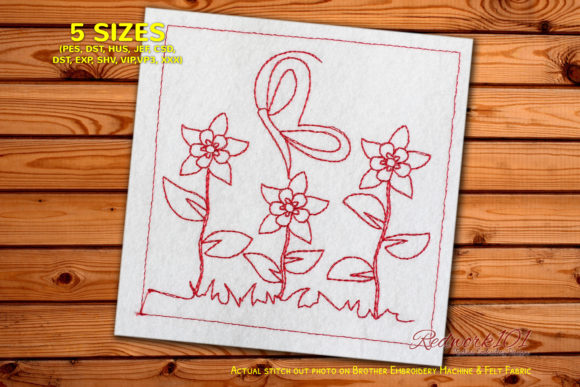
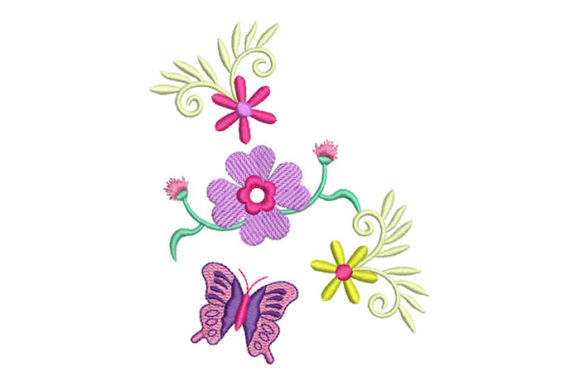
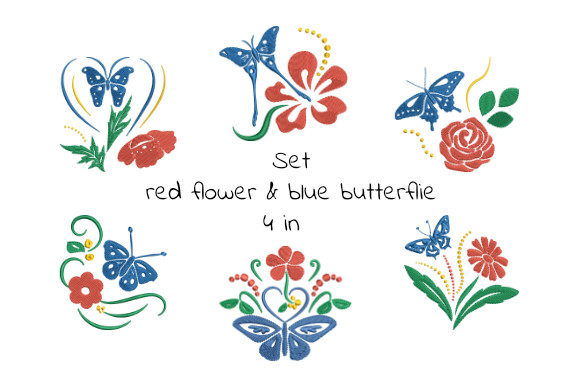
As an embroidery designer who’s stitched thousands of custom orders—from baby blankets for Etsy sellers to boutique aprons for local cafes—I opened Set of Red Flowers and Blue Butterflies with quiet curiosity. Not hype, not urgency—just the kind of grounded attention you give a design before committing thread, time, and client trust. What stood out immediately was its cohesive mood: soft harmony, not bold contrast. The red flowers—chamomile, gerbera, hibiscus, poppy, and rose—are rendered as clean silhouettes, each distinct in shape but unified by line weight and rhythm. Paired with delicate blue butterflies, the set avoids clutter while inviting movement across fabric. It doesn’t shout. It breathes.
Where This Embroidery File Naturally Fits
Set of Red Flowers and Blue Butterflies isn’t built for aggressive branding or high-contrast logos. Instead, it lives beautifully in spaces where handmade warmth matters: a linen kitchen towel with one centered hibiscus and butterfly; a lightweight cotton tote bag with scattered gerberas along the seam; a baby blanket corner featuring a single rose and tiny butterfly in satin stitch. Its uniform style makes it ideal for product lines—think matching pillow covers and nursery wall hangings—or seasonal handmade gifts like spring-themed aprons or Easter cap patches. Because it’s categorized under Bugs but designed with floral balance, it bridges categories without feeling forced. That duality is useful: crafters can market it as “botanical + whimsical,” not just “butterfly embroidery.”
Real Embroidery Performance Across Fabrics and Forms
I tested key elements of Set of Red Flowers and Blue Butterflies on several real project substrates. On stable cotton twill (for embroidered patches), the fill stitches held crisp edges—even in the finer petals of the chamomile. On stretchy French terry (sweatshirt embroidery), I used medium-weight cutaway stabilizer and reduced top tension slightly; results remained clean, though I avoided placing butterflies directly over shoulder seams where fabric distortion could blur fine details. For curved surfaces like caps, I chose the smaller silhouettes—the poppy and chamomile—positioned near the front panel’s flat zone. Larger pieces like the rose worked better on flat, rigid items: pillow covers, framed hoop art, or baby blanket corners.
On dark fabric, thread color contrast became essential. The original red/blue palette reads clearly on navy or charcoal, but I swapped to burgundy and teal for richer depth on black towels. On light linens, white or ecru thread softened the look—perfect for nursery decor. Tiny details (like butterfly wing veins) stayed legible at 2.5"–3" width, but I wouldn’t scale below 2"—especially for commercial embroidery where consistency across dozens of units matters. Stitch density felt moderate—not overly dense like heavy appliqué designs, but substantial enough to hold up through frequent washing on kitchen towels or kids’ apparel.
Impact on Your Handmade Product & Customer Perception
This is where Set of Red Flowers and Blue Butterflies quietly elevates your work. Its harmony translates visually into care and intention—traits customers associate with premium handmade products. When photographed for Etsy listings or Instagram, the set creates natural focal points that enhance product photography without competing with the item itself. A sweatshirt with one centered gerbera and butterfly reads as curated, not generic. Buyers notice that. They also notice how well it wears: after three test washes on a cotton apron, no fraying, no puckering—just gentle softening of the satin stitch sheen.
For small business owners building brand consistency, this set offers flexibility without fragmentation. Use the rose solo for luxury gift tags; pair hibiscus + butterfly for summer collections; scatter chamomiles for minimalist baby items. It supports storytelling—“spring garden,” “gentle growth,” “quiet joy”—without needing text. That subtlety builds buyer trust: your customers feel you’ve chosen meaning, not just decoration.
Practical Notes Before You Stitch
Before using Set of Red Flowers and Blue Butterflies on a customer order or production run:
- Always test on scrap fabric matching your final substrate—including same stabilizer and thread colors.
- Review stitch density in your embroidery software: look for tight fills in petal centers and lighter running stitch outlines. Adjust if needed for your machine’s behavior.
- Confirm hoop size compatibility—especially for larger silhouettes like the rose. Some versions may require 5x7" or larger.
- Compare mockups on both light and dark fabric. Small butterflies may need slight thread brightness tweaks on black or deep indigo.
- Use appropriate stabilizer: cutaway for knits, tear-away for stable wovens, and fusible + tear-away for lightweight silks or voiles.
- Inspect finished stitching closely—especially around butterfly antennae and narrow rose stems—to ensure no skipped stitches or thread breaks.
- Double-check file details and licensing terms on the Creative Fabrica product page before selling finished items. Licensing varies per designer, and commercial use permissions must be confirmed.
Final Thoughts for Embroidery Designers & Creative Entrepreneurs
Set of Red Flowers and Blue Butterflies won’t replace your go-to monogram or bold logo files—and it’s not meant to. What it does offer is reliable, mood-forward design assets for the quieter, more personal side of embroidery: gifts that carry feeling, products that honor slow making, and collections built on visual rhythm rather than repetition. For Etsy sellers curating seasonal shops, apparel decorators adding botanical accents to custom apparel, or handmade shop owners sourcing digital embroidery files for patch kits or DIY kits—it delivers quiet versatility. It’s the kind of machine embroidery design that feels intentional the first time you open it, and still feels fresh after your tenth project. That consistency—between screen and stitch, concept and customer—is rare. And worth holding onto.