Meadow Flowers: A Designer’s Real-World Embroidery Review
First Impressions: Light, Lively, and Unfussy
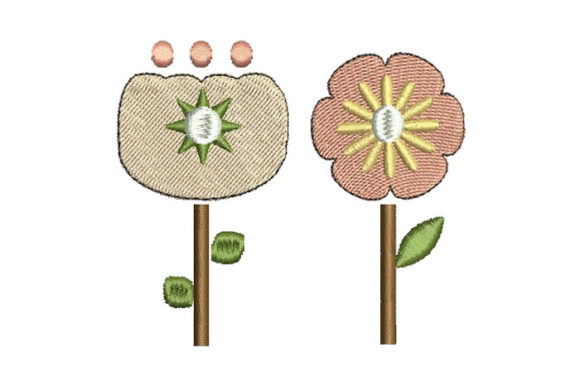
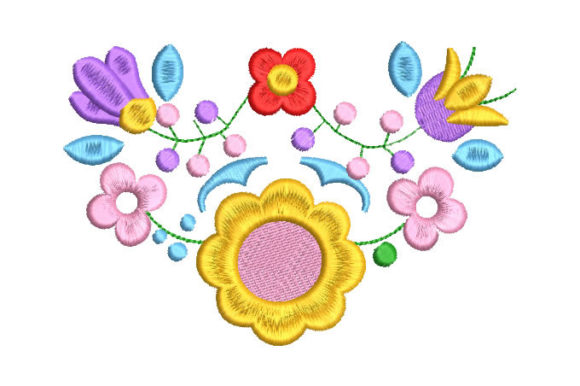
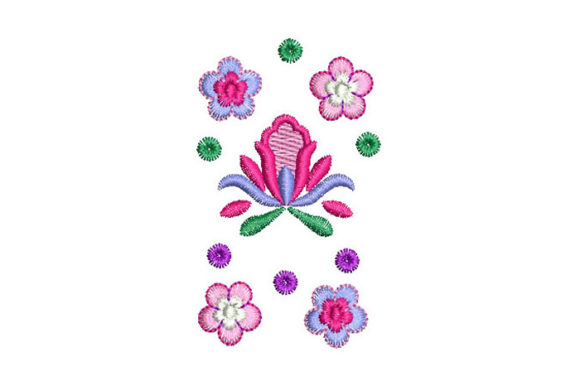
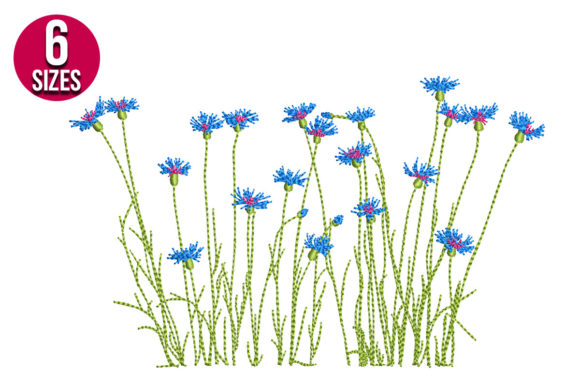
When I opened Meadow Flowers for the first time, what struck me wasn’t just the color—but the breathing room. This isn’t a tightly packed bouquet design; it’s a soft, asymmetrical cluster of blossoms with gentle spacing, subtle layering, and organic flow. The stems curve naturally, petals have slight variation in shape, and the overall composition feels like something you’d find tucked into a linen napkin or pinned to a nursery wall—not stiff, not overly symmetrical, but quietly intentional. It reads as joyful without being cutesy, delicate without being fragile. That balance makes Meadow Flowers an immediate candidate for handmade products where authenticity matters: think baby onesies, kitchen towels for a cottage-core boutique, or embroidered patches for slow-fashion apparel brands.
How It Stitches Up: Texture, Clarity, and Real Fabric Behavior
I tested Meadow Flowers on three real project types: a medium-weight cotton tote bag, a lightweight bamboo blend onesie, and a brushed cotton sweatshirt. On the tote, the design held crisp detail—especially in the satin-stitched flower centers—without pulling or puckering, thanks to moderate stitch density and thoughtful fill stitch distribution. On the onesie? I used a light tear-away stabilizer and reduced top tension slightly; the result was soft, breathable, and safe for baby skin—no scratchy backings or dense thread buildup. The sweatshirt required cutaway stabilizer and careful hooping to manage stretch, but the design adapted well: no distortion in the curved stem lines, and the floral shapes remained legible even over ribbed fabric texture.
Where Meadow Flowers shines is in its visual hierarchy. Larger blooms anchor the composition, while smaller buds and leaves act as quiet connective tissue—not filler, but rhythm. That makes it forgiving on imperfectly hooped surfaces (like curved cap fronts) and surprisingly versatile across product categories: as a centered chest motif on a unisex sweatshirt, as a corner accent on a linen pillow cover, or as a repeating border on a tea towel set.
Where to Use It—and Where to Pause
Meadow Flowers works beautifully for custom apparel, personalized gifts, and small shop merchandise—but it’s not universally low-risk. On dark fabrics, I recommend testing thread colors for contrast: some lighter pastel fills can fade visually unless paired with high-contrast underlay or slightly denser satin stitch. On thin or highly textured fabrics (like burlap or slubbed linen), the finer leaf details may soften or blur—so I’d simplify those elements manually or choose a slightly larger hoop size to reduce stitch compression.
It’s also not ideal for tiny hoops under 4”x4” without editing—the lower-left bud and trailing stem extend just enough to require careful placement. And while it layers well over seams (I stitched it successfully near a tote bag gusset), avoid placing it directly over thick seam allowances or double-layered hems without extra stabilizing. As an embroidery file, it’s clearly built for clarity over speed: no rushed running stitches or over-digitized edges. That means it holds up across washes and wear, which builds trust with customers who pay for handmade quality.
Design Notes Every Embroidery Professional Should Check
- Test on scrap fabric first—especially if using textured, stretchy, or dark materials.
- Review stitch density before scaling: enlarging too much can expose gaps in fill areas; shrinking too far may collapse fine stems.
- Confirm hoop size compatibility—the natural spread of Meadow Flowers benefits from at least a 5”x7” hoop for full fidelity.
- Inspect small details in your embroidery software: check that leaf veins and petal edges remain distinct at your target size.
- Try black-and-white mockups to assess contrast and silhouette—this reveals how the design reads at a glance, especially on Etsy listings or craft fair displays.
- Use proper stabilizer for your base fabric: light cutaway for knits, tear-away for stable wovens, and optional topping for napped surfaces.
- Verify licensing before selling finished items or bundling the digital embroidery file—commercial use rights aren’t implied by “multiple embroidery file formats.”
Fitting Into Your Creative Workflow
As an embroidery designer and small business owner myself, I look for designs that do more than look nice—they need to support my brand voice, scale across product lines, and hold up under repeat production. Meadow Flowers fits cleanly into that workflow. It pairs well with neutral palettes (cream, oat, charcoal) and lifts monochrome pieces without overwhelming them. I’ve used it as a standalone motif on aprons for a local bakery, layered subtly behind hand-lettered names on baby blankets, and even digitized a simplified version for iron-on embroidered patches sold alongside matching tote bags.
For Etsy sellers and craft fair vendors, this design adds instant warmth and approachability to listings. Customers respond to its freshness—it feels seasonal but not dated, feminine but not exclusive, detailed but not intimidating. That translates directly to engagement: longer listing views, fewer questions about “will this look handmade?” and more repeat buyers recognizing your signature floral touch.
Final Thought: Not Just Another Bouquet Design
Meadow Flowers stands out because it behaves like a real design—not just a pretty image turned into stitches. It breathes with the fabric, adapts to varied hoop sizes and stabilizers, and carries emotional weight without leaning on cliché. Whether you’re stitching a holiday gift for a new parent, building a cohesive line of boutique kitchen textiles, or sourcing reliable embroidery file assets for your digital product shop, this design earns its place in your active library. Just remember: treat it like a collaborator, not a shortcut. Test it. Tweak it. Let it live in context—and it’ll reward you with consistent, confident, customer-pleasing results.