Gerbera Flower with Curls
A Playful Bloom That Earns Its Place on Real Projects
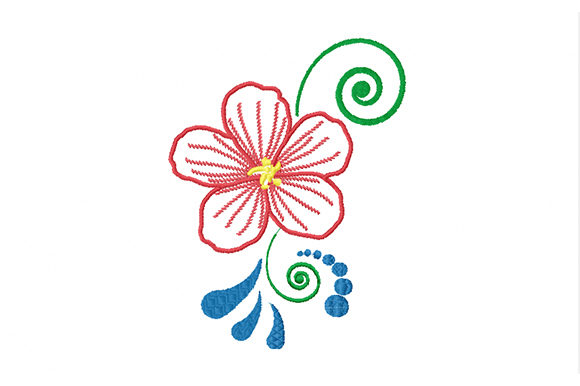
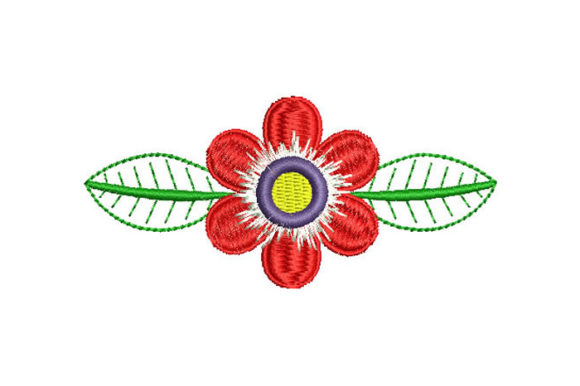
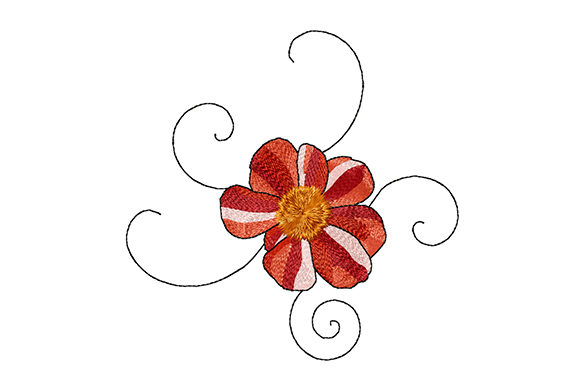
When I opened the Gerbera Flower with Curls embroidery file for the first time, I didn’t see just another single flower design—I saw a cheerful, slightly whimsical personality ready to land on a handmade tote bag I’d promised a local boutique. The swirls in the petals aren’t fussy; they’re intentional movement—like the flower caught mid-breeze. That sense of lightness and warmth isn’t just marketing language. It’s baked into the shape: open center, soft curves, balanced asymmetry in the curls. This isn’t a stiff botanical illustration—it’s a machine embroidery design built for joy, not perfection.
Where It Shines (and Where It Asks for Thought)
I tested Gerbera Flower with Curls on three real-world items: a medium-weight cotton canvas tote, a lightweight baby onesie, and a structured twill cap. On the tote? Instant success. The curls held their shape beautifully with standard tear-away stabilizer, and the fill stitch density felt generous without puckering. Customers paused at the booth to touch it—not just look. That tactile appeal matters more than we admit.
On the onesie, I switched to cut-away + topping, and the result was delicate but legible—even at 3.2 inches wide. The petal edges stayed clean, and the satin stitch in the center gave subtle dimension without stiffness. For new parents, that softness reads as care. But here’s the honest note: on ultra-thin or loosely woven fabrics, those outer curls can blur if stabilizer is under-applied. Don’t skip the test stitch.
The cap was the real litmus test. Curved surfaces demand smart digitizing—and Gerbera Flower with Curls passed. No stretched stitches, no distortion in the curl tips. That tells me the underlay and stitch direction were thoughtfully mapped. Still, I recommend using a smaller version (under 4 inches) for front-of-cap placement. Bigger isn’t always bolder—it can overwhelm the curve.
Fabric & Function: What Works, What Needs Caution
- Best matches: Medium-weight cotton, linen blends, denim, terry cloth (for towels), and stable knits like pique or fleece-backed sweatshirts. The design breathes on these surfaces.
- Use carefully on: Stretchy jersey (requires excellent stabilization + slow speed), dark fabrics with light thread (check contrast in your printable mockup—some yellow/orange tones fade visually), and textured weaves like bouclé (curl details may soften).
- Avoid on: Very sheer fabrics (no backing support), heavily napped fleece (curls can disappear), or garments meant for daily heavy washing unless you’ve verified thread lock and stitch integrity in testing.
More Than Pretty—It Builds Trust and Value
As an Etsy seller and small shop product developer, I pay attention to what makes buyers pause, click “add to cart,” and leave five-star reviews. Gerbera Flower with Curls does something quiet but powerful: it signals intention. Not “I slapped on a flower,” but “I chose this bloom because it fits you.” That lifts perceived value—especially for personalized gifts, nursery decor, or boutique-branded kitchen towels.
I’ve watched customers point to this design in person and say, “That one feels like summer.” That kind of emotional resonance doesn’t come from complexity—it comes from clarity of mood and confident execution. It also reinforces brand consistency when used across multiple products: same joyful tone on a tea towel, a baby bib, and a holiday gift pouch.
Designer Notes You’ll Actually Use
- Always test on scrap fabric first—especially if pairing with black or navy thread on light fabric. Some bright thread colors pop less than expected.
- Check stitch density in the center. A tight satin stitch there holds up better on high-touch items like aprons or pillow covers.
- Confirm hoop size compatibility before loading. If your machine has limited hoop clearance, verify the design fits comfortably without trimming corners.
- Inspect small details at 200% zoom in your embroidery software. Are curl ends cleanly terminated? Is there stray running stitch? Clean digitizing shows in the finished product.
- Test in black-and-white mockups too. Contrast and silhouette matter as much as color.
- Match stabilizer to end use: tear-away for stable fabrics, cut-away for knits, and topping for textured surfaces.
- Review licensing before selling. Since this is a digital embroidery file, confirm whether commercial use is permitted for your craft business or Etsy shop.
Final Thought: A Design That Feels Like a Choice, Not an Afterthought
There are hundreds of gerbera embroidery files out there. What sets Gerbera Flower with Curls apart is how it lands—not just where it lands. It works on custom apparel without shouting. It softens baby embroidery without fading into background noise. It adds handmade charm to a sweatshirt without looking childish. And yes, it’s part of the Single Flowers category—but it refuses to stay quiet in the crowd.
If you’re choosing embroidery design assets for real projects—whether you're stitching for clients, building a craft business, or launching small shop merchandise—this one earns its spot in your library. Not because it’s flashy, but because it’s reliable, expressive, and quietly confident. That’s the kind of embroidery project foundation that turns first-time buyers into repeat customers—and makes your finished product feel like a promise kept.