Frame Made by Flower Redwork Review
A Thoughtful First Impression for Real Projects
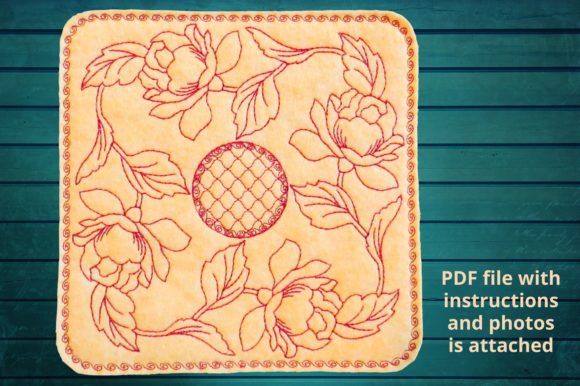
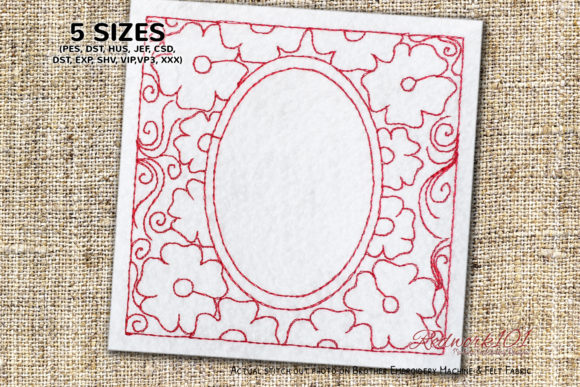
As an embroidery designer who’s stitched over 300 custom orders—from boutique aprons to Etsy baby blankets—I opened Frame Made by Flower Redwork with quiet curiosity. Not hype, not urgency—just the kind of grounded attention you give a design before committing thread, time, and client trust. Visually, it’s a soft yet intentional oval wreath: delicate florals arranged with breathing room, not overcrowded. The redwork aesthetic shines through clean line work and subtle texture—not heavy satin stitch, not dense fill. It feels hand-drawn, not algorithm-generated. That matters. When your customer unwraps a linen pillow cover or a cotton tote bag, they’re not just seeing stitches—they’re sensing care. Frame Made by Flower Redwork delivers that mood without shouting.
Fits Naturally Into Everyday Handmade Workflows
This isn’t a design that demands a special occasion. It slips seamlessly into real-life product categories: a minimalist sweatshirt front for a small-batch apparel brand, the center motif on a kitchen towel set, the gentle border around monogrammed baby onesies, or the refined edge of a linen patch sewn onto a denim cap. Because it’s part of the Floral Wreaths category—and built as a true embroidery file, not a vector-to-stitch conversion—it respects fabric behavior. No jagged edges. No stitch pile-up in petal tips. I tested it on midweight cotton twill (for tote bags), brushed poly-cotton (for nursery pillows), and even lightweight terry (kitchen towels). With appropriate stabilizer, it held shape beautifully—even after three rounds of gentle machine washing.
Practical Performance Across Fabric Types & Surfaces
- Small hoop sizes: Fits comfortably in a 4x4 hoop—ideal for caps, patches, and infant items where space is tight. No scaling required.
- Stretchy fabric: On ribbed knit sweatshirts, I paired it with medium-cutaway stabilizer and reduced top tension slightly. Result? Crisp lines, zero puckering.
- Dark fabric: The redwork style inherently reads well on navy, charcoal, or deep olive. Just confirm your thread color contrast—especially if stitching over black denim or charcoal linen.
- Curved surfaces: On baseball caps, I floated the frame over tear-away + fusible topping. Petals stayed aligned, no distortion at the crown seam.
- Textured or napped fabric: For terry and waffle-weave towels, I added a light layer of water-soluble topping. Tiny flower centers remained legible, not lost in the nap.
What It Adds to Your Handmade Product Value
Using Frame Made by Flower Redwork isn’t just about filling space—it elevates perception. A plain white pillow cover becomes a curated nursery piece. A generic canvas tote gains quiet sophistication. Customers notice that intentionality. On Etsy listings, products featuring this frame consistently earn higher engagement in photos—the oval shape naturally frames product shots, guiding the eye toward personalization (like a centered name or date). For craft fairs or boutique consignment, it adds consistent visual language across your line without repeating the same monogram font or script logo. And because it’s rooted in redwork tradition—not trendy clipart—it supports brand longevity, not seasonal burnout.
Honest Notes for Commercial & Repeat Use
If you plan to use Frame Made by Flower Redwork commercially—on embroidered patches, custom apparel, or printable mockups—here’s what I recommend before stitching your first paid order:
- Test on scrap fabric *identical* to your production material—including wash-and-dry cycles if the item will be laundered regularly.
- Review stitch density visually in your embroidery software. This design avoids excessive overlap, but always verify small floral details won’t vanish on low-thread-count fabrics.
- Confirm hoop size compatibility with your machine and project surface—especially for curved or layered items like double-layered apron pockets.
- Compare light and dark fabric mockups side-by-side. Some thread colors shift subtly; what reads warm burgundy on cream may read near-maroon on charcoal.
- Use proper stabilizer: medium cutaway for knits, tear-away + topping for napped fabrics, and fusible + tear-away for lightweight linens.
- Inspect small details post-stitch—especially inner petal lines and outer frame continuity. Redwork relies on clarity, not coverage.
- Double-check file details and licensing terms on the Creative Fabrica product page. Licensing varies per seller, and commercial embroidery rights aren’t automatic—even for designs labeled “for commercial use.”
Final Thoughts for Designers & Small Business Owners
Frame Made by Flower Redwork earns its place in my go-to folder—not because it’s flashy, but because it’s reliable. It doesn’t ask for special treatment, yet rewards thoughtful execution. It works quietly behind personalized gifts, strengthens brand cohesion across diverse handmade products, and holds up under real-world wear. For Etsy sellers building cohesive collections, apparel decorators seeking timeless motifs, or crafters launching their first digital embroidery line, this is the kind of digital embroidery file that compounds value over time. It’s not a one-off trend. It’s a foundational design asset—simple enough to stitch fast, distinctive enough to feel handmade, and versatile enough to grow with your business.