Floral Hands: A Craft Fair Designer’s Honest Review
First Impression: Soft, Modern, and Instantly Recognizable
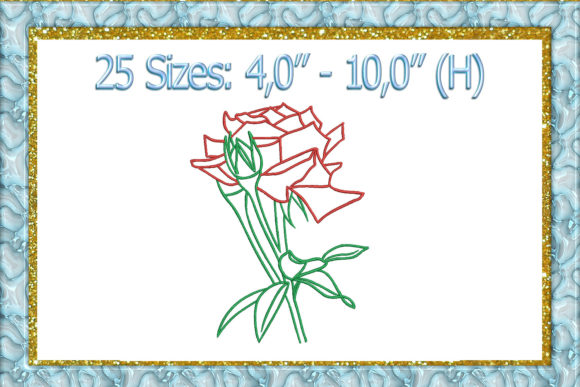
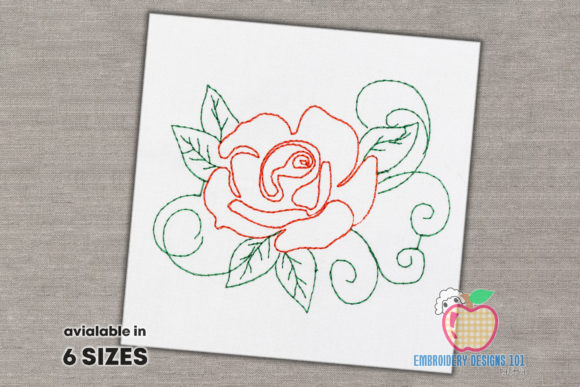
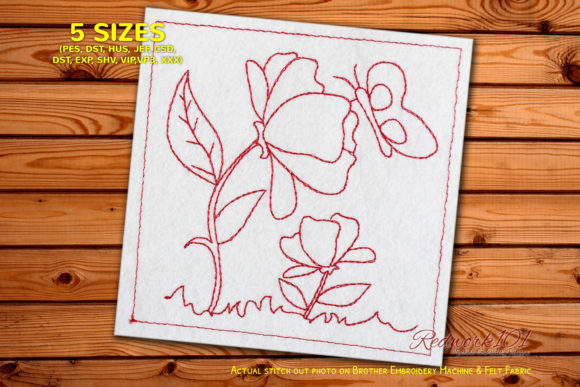
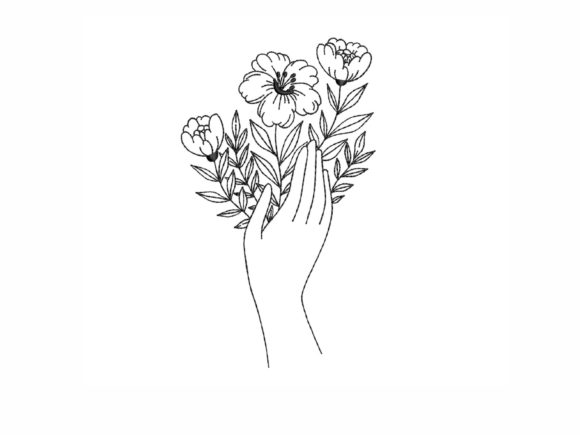
“Floral Hands” lands with quiet confidence—not loud, not fussy, but undeniably warm and human. As an embroidery designer who’s stitched hundreds of craft fair products, I immediately read this as soft modern: delicate linework, gentle organic flow, and a subtle nod to botanical illustration without leaning into maximalism. It’s not farmhouse (no burlap or rooster motifs), not festive (no glitter or holiday cues), and definitely not humorous—but it *is* aesthetic-first, which is gold for handmade markets where shoppers curate their lives intentionally. The title alone hints at storytelling—hands tending flowers, hands holding blooms, hands as vessels of care. That emotional resonance matters more than you’d think when someone pauses at your booth.
Where Floral Hands Shines in Real Craft Fair Displays
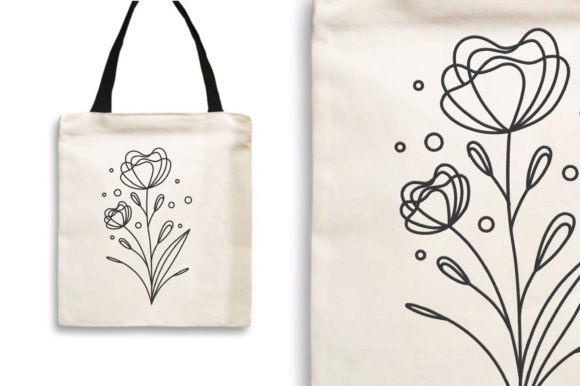
In my weekend booth setup—tote bags stacked upright, aprons draped over a wooden ladder, tea towels folded beside embroidered pillow covers—Floral Hands stands out strongest on three items: small fabric pouches, tea towel corners, and minimalist tote bag fronts. Why? Because its outline-based structure reads cleanly at 3–4 inches wide, holds integrity on textured surfaces, and doesn’t compete with busy patterns or prints. On aprons, it works beautifully above the pocket—not too large, not too shy. As an embroidered patch? Excellent. Its clean perimeter stitches cleanly around edges, and the negative space between stems and fingers lets fabric breathe, avoiding stiffness.
It’s less ideal on curved cap fronts unless resized carefully—outline flowers can flatten or distort if the curve compresses delicate hand contours. And while it *can* go on jackets or jeans, it reads best on lighter-weight denim or chambray, not heavy canvas. On dark fabric? Absolutely—just confirm your thread colors provide enough contrast (a soft sage green on charcoal linen reads elegantly; pale yellow on black needs testing). For Etsy sellers, this design photographs exceptionally well: flat-lay shots show line clarity, lifestyle mockups highlight its tactile softness, and printable mockups let buyers imagine it on their own favorite pieces.
Production Practicality: Speed, Clarity, and Batch-Friendly Flow
As a working embroidery designer, I ask three things before committing to 50+ units: Can I explain it in under five seconds? Does it scale without losing charm? Can I stitch 20 in a day without re-hooping every time? Floral Hands passes all three. Its outline nature means low stitch density—fewer trims, faster runs, cooler needles, less thread breakage. No dense fill areas to trap stabilizer residue or cause puckering on lightweight cotton. No tiny lettering or micro-details that vanish at 2.5 inches. That makes it highly repeatable for batch production—critical when prepping for a craft fair weekend or restocking Etsy listings.
It also works equally well as a small accent (1.75" on a keychain pouch) or medium focal point (4.25" centered on a market bag). That flexibility lets you stretch one embroidery file across multiple product tiers—boosting ROI on your digital embroidery file without diluting brand consistency.
Careful-Use Notes Every Designer Should Check
- Dense stitch areas: None reported—but always verify the actual embroidery file. Outline Flowers designs *should* avoid fills, yet some versions sneak in light satin-stitch petals. If present, test on textured tea towels: high loft = lost definition.
- Tiny details: Fingertips and stem tips are potential trouble spots. Zoom in on your machine screen—if lines taper below 0.8mm, they may vanish on thick fabrics or dark thread.
- Curved surfaces: Caps and curved pouch seams demand hooping precision. Use adhesive + tear-away stabilizer combo, and reduce top tension slightly.
- Small sizes: Below 2 inches, simplify by omitting fine vein lines—your embroidery software’s auto-trim feature helps, but manual cleanup often yields cleaner results.
How Floral Hands Elevates Your Handmade Product Strategy
This isn’t just another floral motif—it’s a mood enhancer. On a plain linen tea towel, Floral Hands signals intentionality. On a recycled-cotton tote, it whispers sustainability *and* artistry. Customers don’t buy “an outline flower”—they buy the feeling of calm, care, and quiet beauty. That lifts perceived value: you can price 15–20% higher than generic daisy files because Floral Hands feels designed, not downloaded.
For booth impact? Place one finished tote front-and-center beside a raw linen swatch and a single fresh sprig of eucalyptus. That triad tells a story before anyone reads your price tag. For digital sellers, pair your listing with two mockups: one lifestyle (hand holding the embroidered pouch), one minimalist (design isolated on white). That covers both emotional and practical buyer mindsets.
Essential Embroidery Designer Notes Before You Stitch
- Test the design on scrap fabric matching your final product—especially for tea towel embroidery or apron embroidery where texture varies wildly.
- Check thread contrast on *both* light and dark fabric swatches—don’t assume your default ecru will pop on navy.
- Review spacing: ensure stems and fingers don’t crowd the hoop edge or overlap seam allowances on pouches or pillow covers.
- Confirm hoop size compatibility—some Outline Flowers files assume 4x4, but others stretch to 5x7. Measure before cutting stabilizer.
- Inspect stitch density in your editing software—look for nested jumps or unnecessary underlay that could increase stitch count without benefit.
- Match stabilizer to fabric: cutaway for knits, tear-away for stable wovens, fusible + tear-away for textured towels.
- Create at least one real, finished mockup—not digital. Light, shadow, drape, and thread sheen change everything.
- Compare at least three fabric color options side-by-side: oat, slate, and terracotta each make Floral Hands feel like a different design.
- Verify commercial licensing status before selling finished products—this is non-negotiable for Etsy sellers and small shop product lines.
Floral Hands isn’t flashy—but in the handmade economy, authenticity, clarity, and quiet craftsmanship sell. It’s the kind of machine embroidery design that gets pointed at, photographed, and remembered. Not because it shouts, but because it listens—to fabric, to function, and to the people who choose handmade.