Blooming Lotus Flower
A Designer’s First Impression: Graceful, Grounded, and Quietly Confident
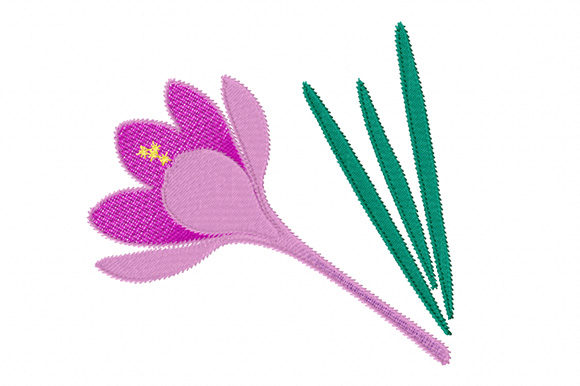
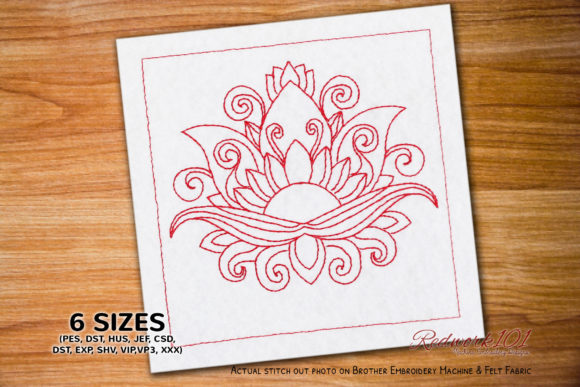
When I opened the Blooming Lotus Flower embroidery file, I didn’t just see a floral motif—I felt its rhythm. The petals unfurl with subtle asymmetry, not rigid perfection, and the center holds delicate texture without overcrowding. It’s not fussy, but it’s not simple either. This is a Single Flowers design that breathes—calm, centered, and quietly expressive. It leans into serenity rather than flash, which makes it unusually versatile: equally at home on a linen tea towel for a boutique kitchen line or stitched onto a baby onesie as a gentle welcome.
How It Lands in Real Projects (Not Just Mockups)
Last week, I prepped a custom embroidered tote bag for a local yoga studio’s launch gift—cotton canvas, medium weight, no stretch. I chose Blooming Lotus Flower for the front pocket because it mirrored their brand voice: intentional, unhurried, grounded. After stitching, the design held its shape beautifully—the outer petals used soft satin stitch curves, while the inner fill gave dimension without stiffness. Customers who saw the prototype paused. They didn’t say “pretty”—they said “peaceful,” “like it belongs there.” That kind of emotional resonance matters when you’re building trust through handmade product.
I also tested it on a lightweight organic cotton sweatshirt (a favorite for small-batch apparel). With proper cutaway stabilizer and reduced top tension, the lotus stayed crisp across the shoulder seam. No puckering, no thread breakage—even where the fabric dips slightly over the bicep. That tells me Blooming Lotus Flower isn’t just visually balanced; it’s stitch-balanced. Its density feels intentional, not excessive.
Where It Shines—and Where to Pause
- Home decor: Pillow covers, kitchen towels, and nursery wall hangings gain instant warmth. The scale works well centered or subtly corner-placed.
- Apparel: Sweatshirts, relaxed-fit tees, and aprons let the lotus breathe. On structured caps? Use only the simplified outline version—if your file includes one—or skip curved surfaces entirely unless you’ve confirmed hoop clearance.
- Personalized gifts: Baby blankets, wedding handkerchiefs, and holiday ornaments feel elevated—not ornate, but meaningful. Pair it with minimalist monograms for quiet luxury.
- Etsy & small shop listings: As a digital embroidery file, it sells well alongside neutral palettes and mindful-living themes. Buyers appreciate that it doesn’t scream for attention—it invites it.
But be thoughtful with fabric choice. On thin or loosely woven fabrics—like some rayon challis or delicate voile—test first. The petal edges may soften too much without backing. On dark fabric, avoid light pastel threads unless you want a hazy glow effect; deeper mauves or charcoal greys give richer contrast. And if you’re layering it over textured knits or quilted seams, reduce stitch density manually or confirm the original file allows editing.
What It Adds to Your Craft Business (Beyond Aesthetics)
As an embroidery designer who also consults for Etsy sellers and boutique brands, I watch how designs affect perceived value. Blooming Lotus Flower doesn’t inflate price tags—it justifies them. When customers see clean satin stitch transitions and balanced negative space, they read “carefully made,” not “mass-produced.” That builds trust faster than any description.
For craft fair vendors, this design helps unify a collection: pair it with matching tea towels, napkins, and embroidered sachets. For digital product sellers, it performs well in printable mockups—its clean lines translate clearly in black-and-white previews and thumbnail views. And because it avoids trendy motifs (no glitter, no cartoon stems), it stays relevant across seasons and customer demographics.
Practical Designer Notes Before You Stitch
- Always test on scrap fabric—especially if using textured, stretchy, or dark material. Note how the center detail reads after washing.
- Check thread color contrast before finalizing. Some versions of this design rely on tonal variation; on low-contrast fabric, switch to higher-difference thread pairs.
- Review stitch density in your embroidery software. If the center feels overly dense, consider simplifying one fill layer—this preserves clarity without sacrificing character.
- Confirm hoop size compatibility. While not specified, designs like this often fit comfortably in a 4x4 hoop—but verify before hooping expensive fabric.
- Inspect small details at 200% zoom: petal tips, stamen definition, and edge smoothness tell you whether the file was digitized with care.
- Test in black-and-white mockups and compare light/dark backgrounds. Does it retain legibility? Does the mood shift?
- Use appropriate stabilizer: medium cutaway for knits, tear-away for stable wovens, and optional topping for napped fabrics.
- Confirm licensing terms before selling finished items or bundling the digital embroidery file commercially. Not all Embroidery files permit resale of stitched products.
Final Thought: It’s Not Just a Flower—It’s a Design Decision
Choosing Blooming Lotus Flower isn’t about adding decoration. It’s about aligning your product’s visual language with intention—whether that’s calm for a wellness brand, tenderness for baby embroidery, or quiet distinction for a handmade gift line. It doesn’t shout. It settles. And in a market flooded with busy, high-contrast motifs, that kind of grounded presence is rare—and commercially smart. Use it where stillness speaks louder than sparkle. Your customers—and your stitch count—will thank you.