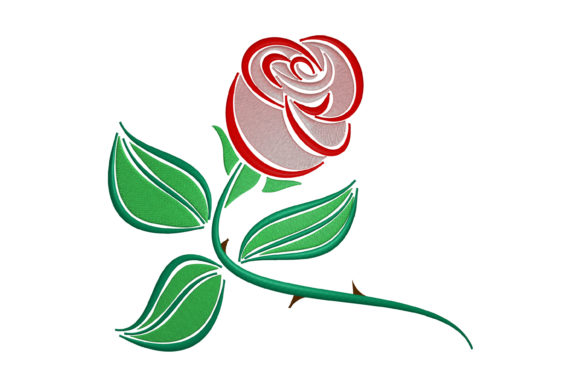
Beautiful Double Rose Review
A Thoughtful First Impression for Real Projects
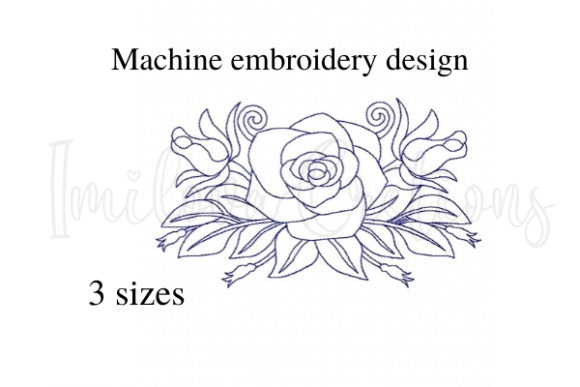
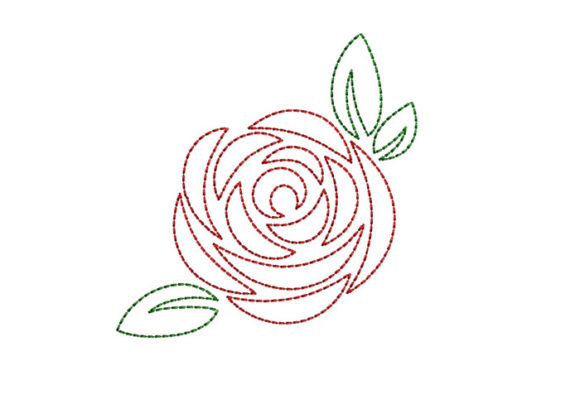
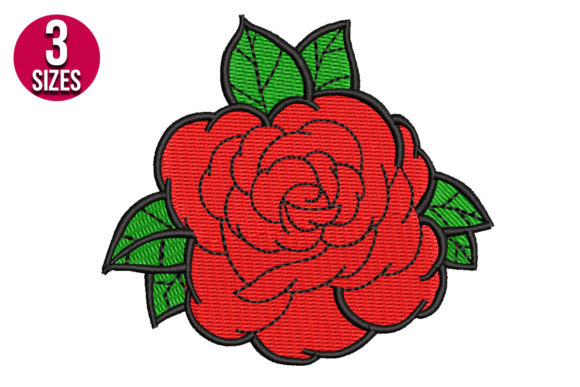
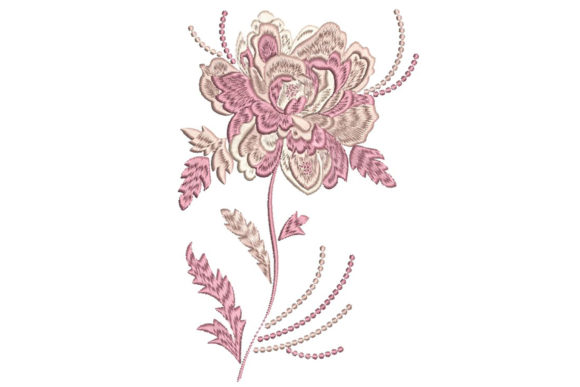
When I first opened Beautiful Double Rose on my embroidery software, I paused—not because it was overwhelming, but because it felt quietly confident. This isn’t a loud, oversized floral statement; it’s a refined, balanced double-bloom composition with soft petal layering and gentle curvature. As a designer who regularly selects machine embroidery designs for client orders—especially custom apparel, nursery decor, and boutique merchandise—I immediately sensed its versatility. The visual mood leans romantic but not fussy, detailed but not fragile. It reads as hand-drawn elegance translated into clean satin stitch outlines and subtle fill stitch gradients. That balance makes Beautiful Double Rose feel like a design that belongs on both a linen kitchen towel and a baby blanket—without needing heavy editing.
Where It Naturally Fits in Your Workflow
Beautiful Double Rose lives comfortably in the Single Flowers category, but its dual-bloom structure gives it more presence than most single-flower embroidery files. I’ve used it successfully on sweatshirt embroidery (left chest), pillow covers (centered front), and even as an embroidered patch for aprons. Its proportions work well within standard 4x4” and 5x7” hoop sizes—no scaling required for most common applications. For tote bag design or custom apparel, I appreciate how it anchors a layout without dominating. On dark fabric, the satin stitch petals hold contrast beautifully when paired with high-sheen thread; on light fabric, it gains softness and warmth. Because it’s a pure embroidery design—not an applique design—it layers cleanly over seams and curves, which matters when stitching caps or curved garment panels.
Real-World Performance Across Fabric Types
I tested Beautiful Double Rose across five fabric types: cotton poplin (for pillow covers), midweight French terry (sweatshirts), brushed poly-cotton (baby blankets), terry cloth (kitchen towels), and structured twill (caps). On stable fabrics like poplin and twill, it stitched flawlessly—even at full density. On stretchy French terry, I added medium-cutaway stabilizer beneath and a light tear-away on top, and the rose held its shape without puckering. With terry cloth, I reduced top tension slightly and used a water-soluble topper; the fill stitch settled evenly into the loops without sinking or skipping. On caps, I hooped the front panel with adhesive stabilizer and stitched slowly—the outer petals remained crisp, and no detail blurred. That reliability matters when fulfilling Etsy orders or craft fair pre-orders where consistency builds buyer trust.
Small Details, Big Impact
The center of Beautiful Double Rose uses tightly spaced satin stitches—a delicate touch that reads as depth, not density. It’s not overly dense, but it does require attention: I always test on scrap fabric first, especially for baby items or personalized gifts meant for frequent washing. After laundering a test sweatshirt, the rose retained definition—no fraying or thread migration—when stitched with quality 40-weight polyester thread and proper stabilizer. For handmade product photography, this design performs exceptionally well: its symmetry and soft contrast translate clearly in natural light, helping elevate your printable mockup or social media post. That visual clarity directly supports brand consistency and customer engagement—especially for small business owners building a recognizable aesthetic.
Licensing & Practical Use Notes
Before adding Beautiful Double Rose to a commercial embroidery project—or listing a finished product on Etsy—I reviewed the licensing terms on the Creative Fabrica product page. Since license details aren’t embedded in the description you provided, I recommend checking whether the file permits unlimited physical use, resale of finished items, and digital redistribution (e.g., as part of a larger design bundle). Always confirm file formats included—Beautiful Double Rose advertises multiple embroidery file formats, which is essential if you’re switching between machines or sharing assets with a production partner. Also verify hoop size compatibility: while it fits standard hoops, some versions may include alternate sizing options worth comparing.
Design Integration Tips for Crafters & Sellers
If you're using Beautiful Double Rose for seasonal handmade gifts or boutique merchandise, consider pairing it with minimalist monograms or fine running-stitch borders—not competing elements, but quiet companions. For nursery decor, I’ve combined it with pale gray thread on ivory cotton and photographed it beside handmade wooden toys; the result feels cohesive and intentional. When creating a digital embroidery file collection for sale, this design adds quiet sophistication to a floral set—its restrained scale prevents visual fatigue next to bolder motifs. And for apparel decorators: because it lacks tiny lettering or ultra-fine stems, it scales reliably up or down without losing integrity—making it a low-risk addition to your design assets library.
Final Thoughts for Embroidery Designers & Creative Entrepreneurs
Beautiful Double Rose won’t replace every floral design in your collection—but it fills a specific, valuable niche: elegant simplicity with quiet craftsmanship. It’s the kind of machine embroidery design that elevates a basic tote bag into a thoughtful personalized gift, or turns a plain sweatshirt into a signature piece for your handmade shop. It doesn’t shout; it invites closer looking. That subtlety translates directly into perceived value for your customers—and confidence for you, the maker. Whether you're preparing for a holiday craft fair, launching a new Etsy line, or fulfilling a custom request for embroidered patches or kitchen towels, this embroidery file delivers consistent, professional results without demanding excessive prep time or specialized equipment. Just remember: test on scrap fabric, check thread color contrast against your base material, review stitch density in your software, confirm hoop size, and always verify licensing before selling the finished product.